What is a collect?
Follow the Collect for Peace, find the main request, and locate the day’s collect in 1662 Morning Prayer.
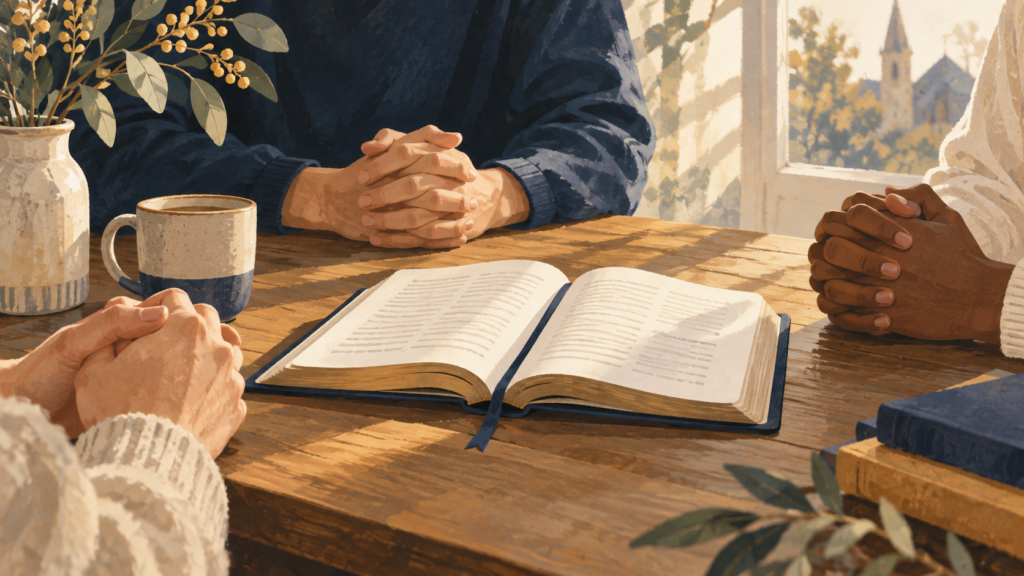
A collect is a short prayer with a particular request at its centre. In Prayer Book worship, the minister says it on behalf of the congregation; the people join in with Amen. The word is pronounced COL-ect.
If the language goes past too quickly, try following just one thing: what are we asking God to do?
Follow one prayer from beginning to end
The Collect for Peace in 1662 Morning Prayer starts by calling God the “author of peace and lover of concord”. Concord means harmony. Before mentioning danger, the prayer names the source of peace.
It then asks for defence against hostility, linking freedom from fear with trust in God. Finally, it offers the request through Jesus Christ. Read the complete prayer in the linked service, or in the Prayer Book text, and look for these three movements:
- Address: who is being addressed, and what does the prayer say about God?
- Request: what help are we asking for?
- Conclusion: how is the request brought through Christ?
Many collects also name the outcome hoped for. These are listening aids, not a rule that every collect follows exactly.
Peace sits alongside enemies and fear in this prayer. It gives people words to pray while a conflict remains unresolved. Suppose you need to chair a meeting where two groups disagree about how a shared space should be used. You could bring that meeting to God here, asking for patience to listen without adding to the hostility. That is one possible application, not a claim about the prayer’s original occasion.
Why the service has more than one collect
The Collect of the Day is appointed for the day or occasion in the church’s calendar. In 1662 Morning Prayer it is followed by the fixed collects for peace and for grace. One prayer changes with the calendar; the other two become familiar through daily use.
That distinction can help you find your place on a service sheet. Look for the day’s collect separately from the fixed prayers. Other Anglican service books arrange their prayers differently, so follow the text used in the service you are attending.
The collects themselves come from different periods. Some draw on older prayers; others were composed as the English Prayer Book developed. Peter Toon’s account of their sources explores that history across English and American books. Here, the example is from the English 1662 tradition.
Take one request home
After a service, return to its collect. Find the main request and put it into your own words. If the old wording is unclear, check an unfamiliar word before paraphrasing it.
Then pray the collect again. Leave space for a particular person or situation to come to mind. Saying Amen joins your prayer to the congregation’s, even when you have further questions about the words.
For the wider setting at Christ Church North Adelaide, see our Prayer Book introduction and Services and Liturgy.