Why does the Church remember Simon and Jude?
Meet Simon and Jude through the Prayer Book collect: a prayer about apostolic teaching, shared faith and the Church being built together in Christ.
Simon and Jude have a place in the Church’s calendar on 28 October, but most of us would struggle to tell their stories. Scripture gives us much less about them than it does about Peter.
We can remember them without filling those gaps with confident guesses.
Two names among the Twelve
In Luke 6:12–16, Jesus prays through the night before choosing the twelve apostles. The list includes Simon, called Zelotes, and another Judas, whom the Church remembers as Jude. He is distinct from Judas Iscariot.
Later accounts supply stories of their journeys and deaths. Those traditions should not be confused with what the Gospel itself tells us. For this feast, the Prayer Book gives us something firmer to attend to: the faith the apostles handed on.
A prayer about being built together
The 1662 collect for Simon and Jude asks that we be “joined together in unity of spirit by their doctrine”. Doctrine here means teaching. The prayer connects the Church’s unity with learning and living the faith received from the apostles.
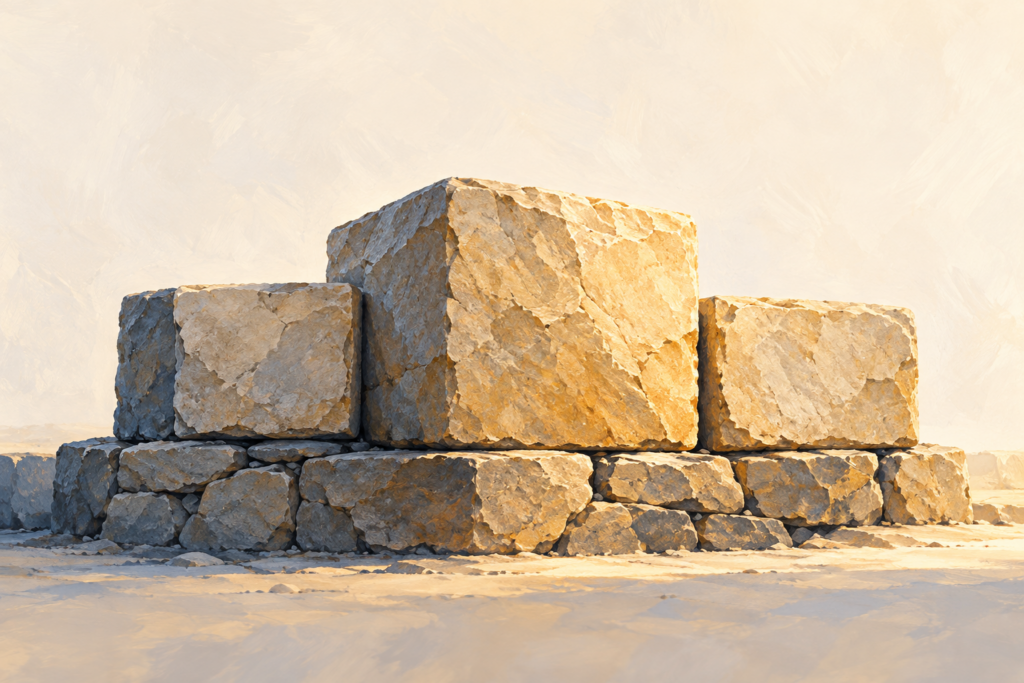
Its building image echoes Ephesians 2:19–22: the apostles and prophets form the foundation, Christ is the cornerstone, and people are built together as a dwelling for God. A cornerstone belongs to a building; this is a picture of shared life.
We receive their witness as part of the company Jesus called. The collect asks us to take our own place in that shared life of faith.
On 28 October, try praying the collect with one question in mind: what am I still learning to believe and practise with other Christians? You might bring that question to the Creeds we say together. Familiar words can give us something to explore, as well as something to affirm.