Am I participating when I listen to the choir?
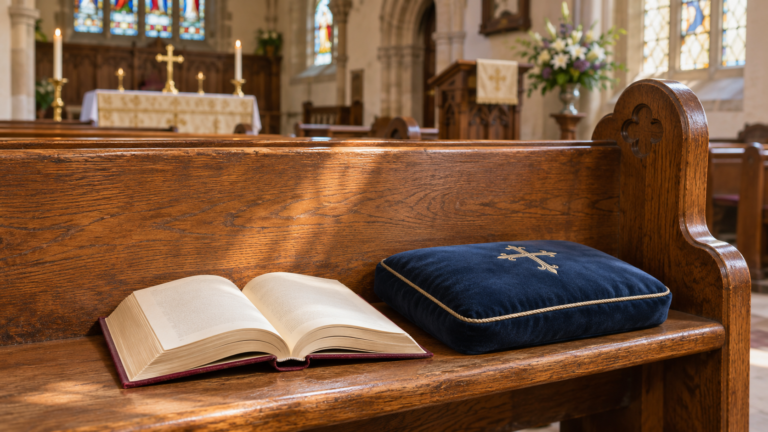
When the choir sings at Evensong, listening can be part of your prayer. Follow a phrase, use the booklet and join the congregation at your own pace.

At Choral Evensong, you may spend several minutes listening while the choir sings. If you are used to joining in every song, it can feel as though your part in the service has stopped.
Listening can itself be part of the congregation’s prayer. You are attending to words offered in worship, and can make their praise or petition your own.
Follow a thought through the music
The Prayer Book order places the Psalms, readings and canticles within a shared service. At Christ Church, the choir sings the Magnificat and Nunc Dimittis, the songs of Mary and Simeon. Their words belong to the worship of the whole assembly, even when particular voices carry them.
Take one line from the Magnificat: “He hath filled the hungry with good things”. As the choir sings, you might follow the words in the booklet and consider the people whose hunger you want to bring before God. The music gives that sentence time to occupy your attention.
You may instead find yourself simply listening to the whole passage. There is no required thought to produce at every moment. Understanding can deepen over repeated visits, as unfamiliar words become recognisable.
Our explanation of the Magnificat gives some background to Mary’s song. Reading it before a service may make a phrase easier to recognise when you hear it sung.
Your voice still has a place
Listening does not make spoken or sung participation unimportant. Follow the service booklet for the parts shared by the congregation. You can join those words while also bringing your own life to them.
If you lose the thread, return at the next phrase. If a thought prompted by the words draws you deeper into the prayer, you can give it room.
Christ Church’s Choral Evensong page explains what to expect and the current arrangements. A booklet is provided, and you are welcome to follow at your own pace. You do not need to know how to read music to begin listening and praying.